How Long Does Riesling Age? A Cellar Guide
There's a bottle of Clare Valley Riesling sitting in someone's cellar right now that was picked the year Australia hosted the Olympics. It's 26 years old. And if it was stored well, it's probably drinking better today than the day it was bottled.
That's the thing about Riesling. It's one of the few white wines on the planet that rewards patience; often dramatically so. But knowing when to open it, which bottles are worth keeping, and how to store them properly? That's where most people get lost.
This guide covers all of it. It’s your practical, honest breakdown of how Riesling ages and how to get the most out of every bottle.
Quick Answer:
- Most quality dry Rieslings are worth cellaring 5–20 years; sweeter styles can go 20 years or more
- The three keys to ageing potential are high acidity, some residual sugar, and quality fruit from a cool-climate region
- Australian Rieslings (particularly from Clare Valley, Eden Valley, and the Canberra District) are some of the most age-worthy in the world
- A "dumb phase" (where the wine closes up and seems flat) is normal around years 2–5; don't panic, don't open it yet
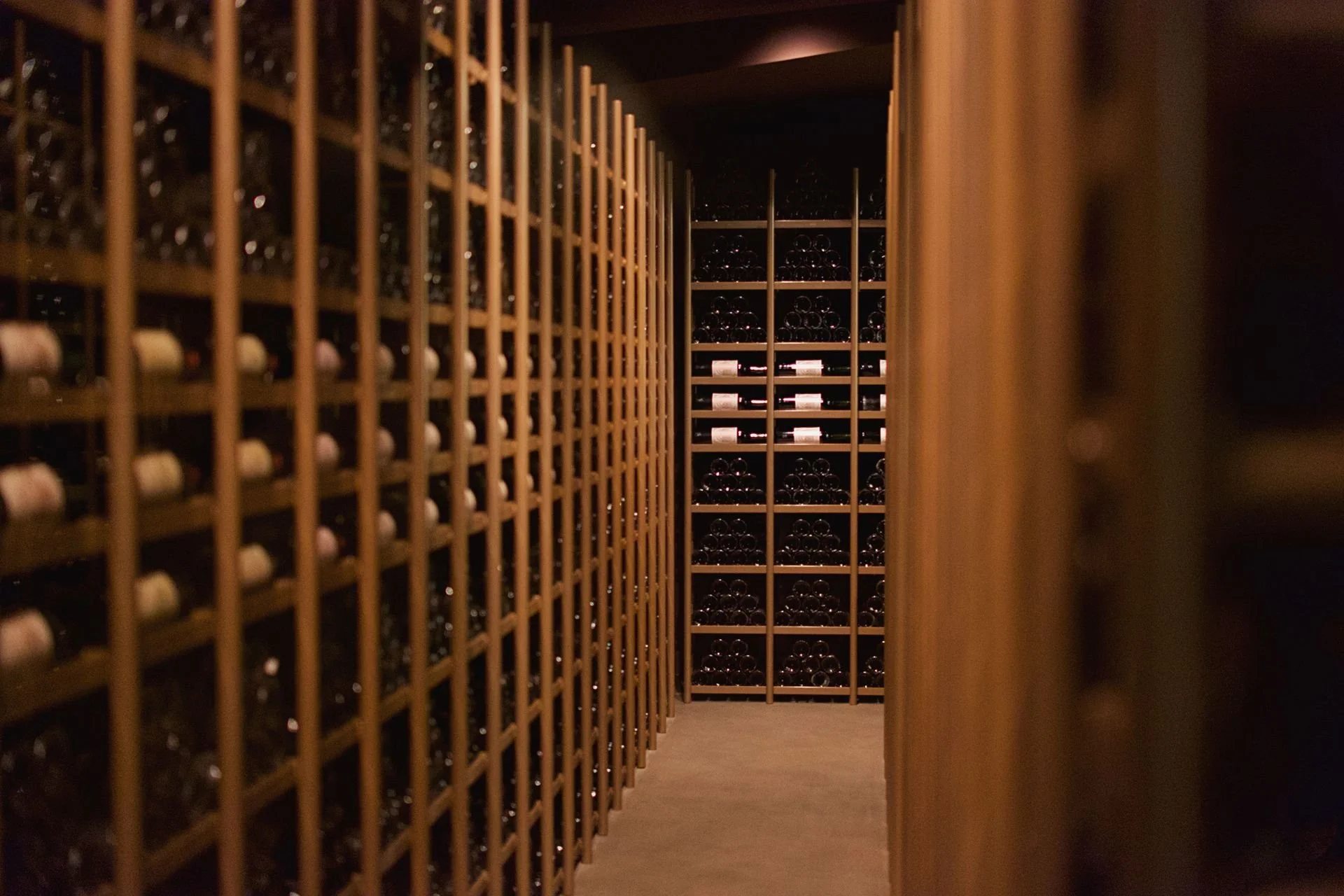
- Ideal cellar temperature is around 12–14°C, away from light and vibration
Why Does Riesling Age So Well?
Most white wines aren't built for the long haul. They're designed to drink fresh, vibrant, and young. Pour them three or four years after vintage, and they're at their best. Leave them longer, and you're likely sipping something flat and tired.
Riesling is different, and the reason is chemistry.
High natural acidity is Riesling's superpower. Acidity acts as a preservative in wine, slowing oxidation and keeping the structure intact as the wine develops. Where a low-acid white might soften and fade over a few years, a Riesling with strong acidity holds together, sometimes for decades.
Residual sugar plays a supporting role. Even in wines that taste dry, a small amount of unfermented sugar works alongside the acidity to protect the wine's texture and depth. Sweeter styles, such as Spätlese, Auslese, Beerenauslese, have even more protection, which is why some of those wines are still drinking brilliantly at 40 or 50 years.
And then there's what actually happens in the bottle over time. Young Riesling tends to be bright, zesty, high-toned, giving flavours of green apple, lime zest, and white peach. As the wine ages, those primary fruit characters shift. Citrus mellows into stone fruit. Stone fruit evolves into honey, toast, and that famous petrol note (more on that below). The acidity, which might have felt almost sharp when young, integrates into a textured, layered, complex experience.
It's the same wine. It just tells a different story every time you open it.
The "Petrol" Thing: What Is It and Should You Want It?
If you've read anything about aged Riesling, you've probably encountered the word "petrol." It tends to make people nervous. Nobody wants to drink something that smells like a servo.
The reality is aged Riesling petrol is nothing like you're imagining. The aroma (technically caused by a compound called TDN that develops as the wine ages) is better described as a kind of waxy, kerosene-tinged richness.
The petrol note is more evident in wines from warmer vintages, in drier styles, and in wines stored at slightly higher temperatures. It's particularly pronounced in aged Clare Valley and Eden Valley Rieslings from Australia, and in German Rieslings from warmer sites on the Mosel.
You won't know if you like it until you try it. And at a good Braddon wine bar with the right by-the-glass selection, that's exactly the kind of exploration worth having.
How Long Should Different Styles of Riesling Age?
Young and Drink-Now Riesling (1–3 years)
Entry-level, commercially produced Rieslings like the kind you'd grab off the shelf at Dan Murphy's for a Tuesday dinner are generally made for early drinking. They're designed to be bright, accessible, and immediately enjoyable. There's nothing wrong with that. But don't expect them to improve with time.
Quality Dry Riesling (5–20 years)
This is where it gets interesting. A well-made dry Riesling from the Clare Valley, Eden Valley, Canberra District, German Mosel, or Alsace has real ageing potential. Five years is when you start to see the wine open up. After ten years, the primary fruit has shifted into something more complex and layered. By fifteen to twenty years, with good cellaring, and you're drinking something that makes you put down your phone and pay attention. The best examples continue to gain nuance and complexity long after many other white wines have reached their peak.
Canberra District Riesling tends to be dry, crisp, and complex. The combination of cool nights and warm days makes for structured, age-worthy fruit. We see this firsthand at Rizla: Canberra Rieslings are consistently some of the most rewarding wines to cellar locally.
Off-Dry and Spätlese-Style Riesling (8–20 years)
A little residual sweetness extends the ageing window considerably. The sugar and acidity work together to keep the wine vibrant long past where a bone-dry style might fade. These wines are often the most surprising. Open one at 12 years, and the fruit has evolved into something that feels almost otherworldly.
Auslese, Beerenauslese, and Sweet Late Harvest (20–50+ years)
These are the cellar legends. A Trockenbeerenauslese (TBA) may still be drinking brilliantly at 80 years or more. Sweet Rieslings at this level are practically immortal when stored well. If you ever get the chance to taste a 40-year-old Auslese, take it. It's a completely different kind of drinking experience.
The "Dumb Phase": When Your Riesling Goes Quiet
Around the 2–5 year mark, many Rieslings go through what winemakers call a "dumb phase." The wine closes up. The bright primary fruit disappears. What you're left with seems flat, a bit muted, and you start wondering if you've done something wrong.
You probably haven't. The wine is just going through a transition.
Great vintages tend to go through this dumb phase more quickly and for a longer period of time than lesser vintages, which is the great paradox. The best Rieslings often taste the most underwhelming at this stage. Patience is the only answer.
The fix: if you've bought a case or a few bottles of the same wine, open one at year three. If it seems shut down, put the rest back and wait another two or three years. Open another then. Keep going until it sings.
What You Need to Know About Australian Riesling and Cellaring
Australia produces some of the world's most age-worthy Rieslings, and they have a few distinctive qualities worth knowing if you're building a cellar.
Clare Valley
Arguably Australia's most celebrated Riesling region. According to James Halliday, renowned wine critic and winemaker, the Clare Valley is "the monarch of Australia's Riesling regions," producing dry wines with fresh citrus and apple characteristics and incredible depth of flavour, balancing natural acidity. Clare Valley Rieslings tend to develop lime juice into toast and marmalade over time, with that petrol character often arriving around the 8–10 year mark. The best examples can continue evolving gracefully for 15–20 years or more under proper cellar conditions.
Eden Valley
Eden Valley sits at a higher altitude than its neighbour, the Barossa, and the cooler conditions produce a slightly more delicate, floral style. Florals and limes morph into honey on toast and gentle orange-marmalade notes through the simple magic of time in the cellar. Eden Valley is also home to some of the oldest Riesling vines on the planet.
Canberra District
The Canberra District is producing Rieslings that are increasingly getting the recognition they deserve. The cool continental climate ( cold winters, warm days, crisp nights) creates wines with excellent natural acidity and real structure. These are wines built to age. If you're in Canberra and you haven't been cellaring local Riesling, you're leaving something on the table.
Want to know more about what makes these and other regions tick? We've put together a guide to underrated Riesling regions to try. Well worth a read if you're looking to expand your cellar beyond the obvious.
How to Store Riesling Properly
Riesling ageing potential means nothing if your storage conditions are wrong. Here's what matters:
Temperature
Aim for a consistent 12–14°C. Consistency is more important than hitting an exact number. Wild temperature swings accelerate ageing and can push a wine past its peak faster than you'd expect. A dedicated wine fridge is far better than a spot in the pantry that swings between 15°C in winter and 28°C in summer.
Humidity
Around 70% relative humidity is ideal. Too-dry, natural corks can shrink and let air in. Too humid and you'll get mould on labels (annoying but not wine-damaging). If you're using screw caps, humidity matters less.
Light
Keep bottles away from direct sunlight and fluorescent lighting. UV light accelerates chemical reactions in wine that you don't want happening. A dark corner of a cool room is worth more than a beautiful glass-fronted display in the kitchen.
Position
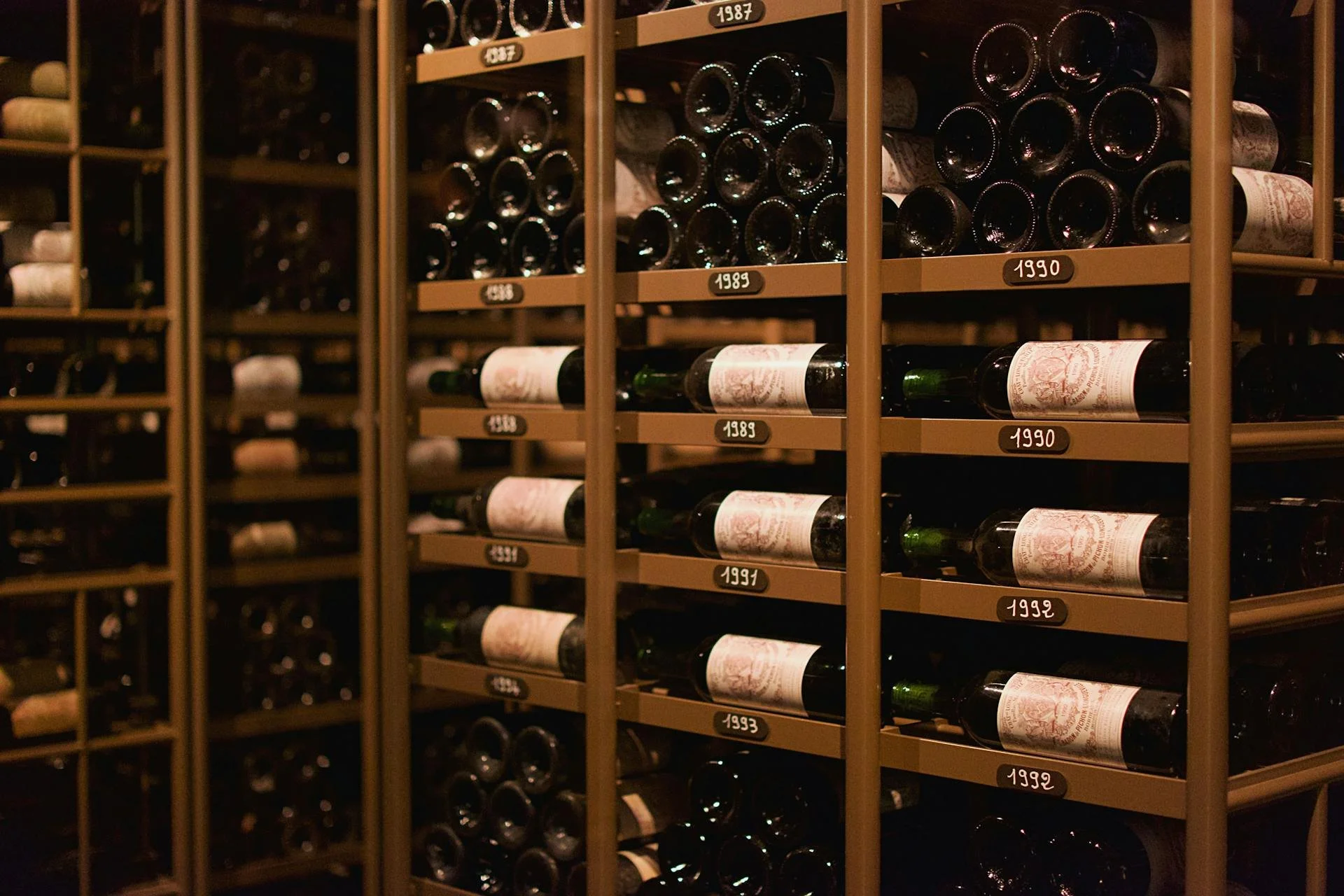
Store bottles on their side if they're under cork. Horizontal keeps the cork moist and sealed. Screw-cap wines can be stored upright.
Vibration
Minimise it. A cellar above a laundry, next to the road, or near heavy machinery will age wine faster than it should. This is why serious collectors don't store bottles on top of the fridge.
Signs Your Aged Riesling Is Ready to Drink
Opening a cellared wine at the right moment is part skill, part luck, part knowing what to look for. These are the signs you're getting close:
Colour shift
Young Riesling is almost water-white or very pale lemon. As it ages, it moves toward deeper gold. Full amber in a dry Riesling can mean it's past its peak (or stored at too high a temperature). A rich, warm gold is usually a good sign.
The nose opens
Pour an aged Riesling and give it a good ten minutes in the glass. If the aromatics are complex, layered, and interesting (toast, honey, stone fruit, that petrol edge), you're in the right window.
Integrated acidity
Young Riesling's acidity can feel like a bright, almost tart jolt. In a mature wine, that acidity should feel woven into the wine's texture rather than standing out. Zippy and separate means it probably needs more time. Textured and integrated means it's ready.
It keeps changing in the glass
A good aged Riesling isn't static. Open it, pour it, come back to it over an hour, and it should keep shifting. That evolution in the glass is one of the best signs you've hit the right moment.
A Quick Cellar Buying Guide by Patience Level
Not everyone has the same relationship with waiting. Here's a shortcut:
- If you'll drink it within 3 years: Buy a well-made entry or mid-level Clare Valley or Eden Valley Riesling from the current or previous vintage. It'll be bright, fresh, and delicious.
- If you want to cellar 5–10 years: Look for single-vineyard or estate-level dry Rieslings from quality Australian producers, or Kabinett and Spätlese from the German Mosel. These are wines designed to reward patience without requiring decades of it.
- If you're playing the long game (10–20+ years): Go for top-tier Australian Riesling from strong vintages, Alsatian Grand Cru, or sweeter German styles. Many of Australia's best dry Rieslings can comfortably reach the 15–20 year mark, while sweeter styles can continue developing for decades beyond that. These need proper cellar conditions and real commitment, but the payoff is extraordinary.
And if you want to taste your way through all of these styles before committing to a cellar strategy? Come in. That's exactly what we're here for.
Come Taste What Time Does to Riesling
As Australia's only Riesling wine bar, Rizla is the best place in Canberra to experience what ageing actually does to this grape across styles, regions, and vintages. Our list spans young, vibrant Australian bottles through to mature German and Alsatian examples that show the full arc of what Riesling becomes over time.
Whether you're after a restaurant Canberra experience built around food and wine pairing, or a lunch in Canberra with a glass of something exceptional, Rizla is right here in Braddon, ready for you.
Make a booking at Rizla and let us pour you through the story of Riesling, from its first zesty chapter all the way through to the rich, textured ending that only time can write.
Planning a special occasion? Check out our guides to a perfect Braddon wine bar date night or, if you're organising something a little bigger, our ultimate hens party planning checklist and advice on choosing between a day vs night hens in Canberra.